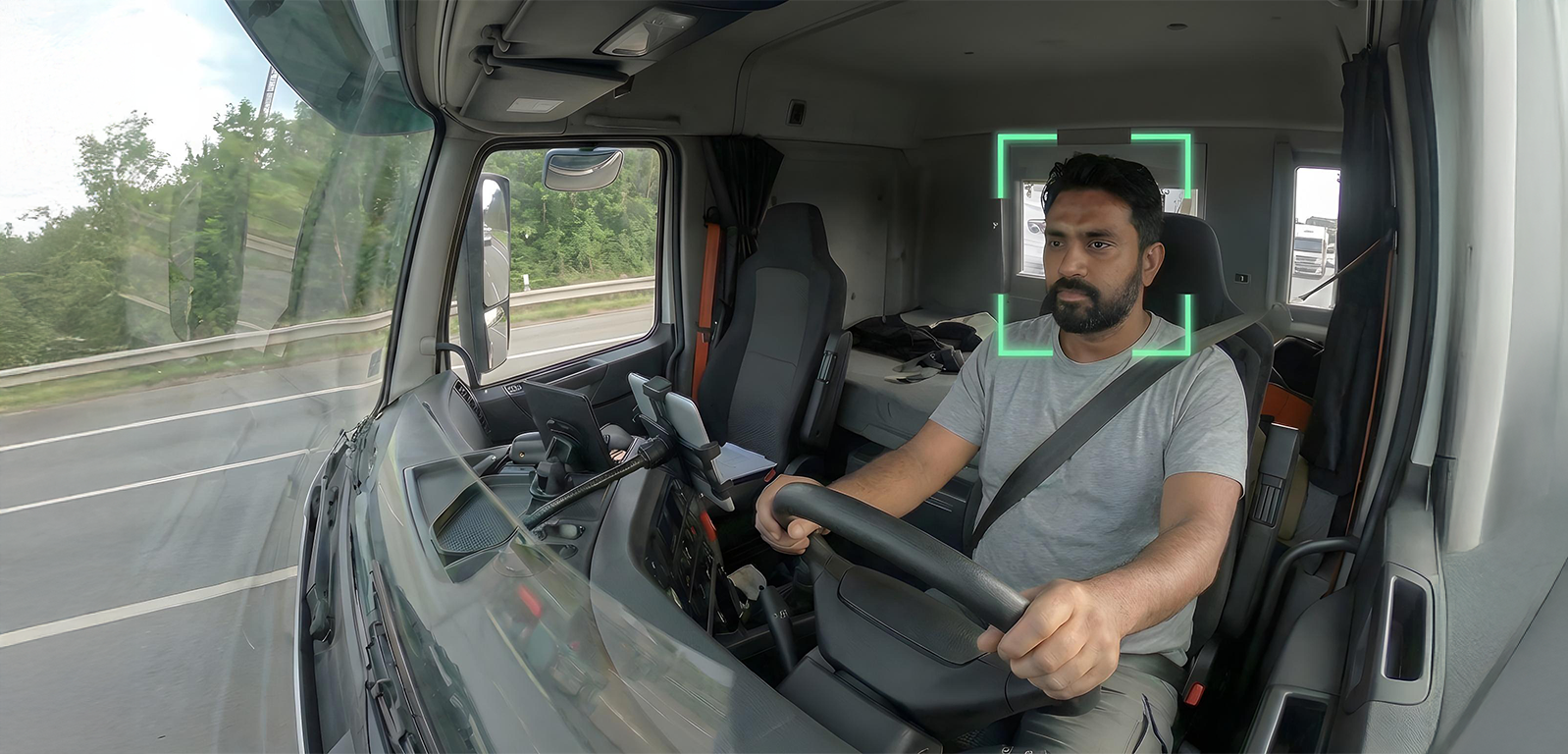
In the enterprise logistics landscape of 2026, the definition of a safe driver has evolved. For decades, fleet managers relied on a binary safety view: did the driver crash, or did they receive a speeding ticket? This reactive approach is no longer sufficient for high-stakes operations. Driver risk scoring telematics is now moving from basic metrics to intelligent, data-driven safety systems. By combining real-time vehicle telemetry, AI-powered video, and granular trip context, enterprises are shifting to a predictive safety model that identifies quiet risks before they become loud collisions.
Why Speed Alone Is Not Risk
For years, speed has been treated as the primary indicator of unsafe driving. But fleet risk is far more contextual.
A driver at high speed on an open highway may pose less risk than a driver who is distracted in dense traffic, fatigued on a long haul, or taking aggressive turns in congested urban zones.
Speed is only one variable. True risk is behavioural plus situational.
Modern driver behaviour analytics fleet systems evaluate:
- Harsh braking and acceleration
- Sudden lane changes
- Idle time in sensitive zones
- Time-of-day driving patterns
Without context, speed alerts create noise. With context, they create decision-ready insight.
Behavioural Event Correlation
The major leap in safety scoring fleet software is event correlation. Instead of evaluating incidents in isolation, advanced models combine behavioural signals to identify probable outcomes.
- Frequent harsh braking plus tailgating can indicate high collision probability.
- Night driving plus fatigue alerts can indicate elevated incident risk.
- Route deviations plus aggressive driving can indicate both safety and operational issues.
This layered intelligence helps enterprises detect high-risk drivers early, prioritize coaching, and reduce incident frequency at scale.
Video-Triggered Scoring Models
Telemetry tells what happened. Video often explains why it happened.
Enterprise driver monitoring systems now integrate AI-powered dashcams that detect:
- Driver distraction such as phone usage or prolonged inattention
- Drowsiness and fatigue indicators
- Seatbelt non-compliance
- Unsafe following distance
These video insights feed directly into scoring models, reducing false positives and improving fairness. For example, harsh braking with video may reveal defensive action to avoid a collision rather than reckless behaviour.
Coaching vs Penalisation
One of the most common mistakes is using driver risk scores only for punishment. High-performing fleets use scoring as a coaching system.
Effective improvement programs include:
- Weekly driver scorecards
- Video-backed coaching sessions
- Gamified safe-driving leaderboards and rewards
This approach drives stronger acceptance, lower resistance to monitoring, and long-term behavioural change.
Enterprise Safety Governance
For large enterprises, risk scoring is not only an operational dashboard. It is part of governance and compliance.
A mature enterprise driver monitoring setup supports:
- Centralized dashboards for leadership teams
- Region-wise and fleet-wise risk analysis
- HSE-aligned compliance tracking
- Audit-ready incident records
This is critical for sectors like logistics and transportation, construction and heavy equipment, oil and gas, and school transport.
With structured driver risk scoring telematics, enterprises can reduce insurance exposure, strengthen compliance, improve ESG reporting, and protect brand reputation.
The Future: From Monitoring to Intelligence
The next phase of driver behaviour analytics fleet systems is predictive intelligence.
Emerging capabilities include:
- Flagging high-risk drivers before incidents occur
- Recommending training interventions automatically
- Optimizing routes using safety-scored logic
- Correlating driver behaviour with fuel and delivery outcomes
At this stage, safety scoring fleet software becomes a strategic enterprise asset, not just a monitoring tool.
Final Thoughts
Driver safety is no longer about isolated alerts or basic tracking. It is about unifying behaviour, video evidence, and trip intelligence into one objective risk framework. The shift is from reaction to anticipation. By combining vehicle telemetry, road reality through video, and trip context, enterprises can build a proactive, transparent, and measurable safety culture that is safer and more profitable at scale.