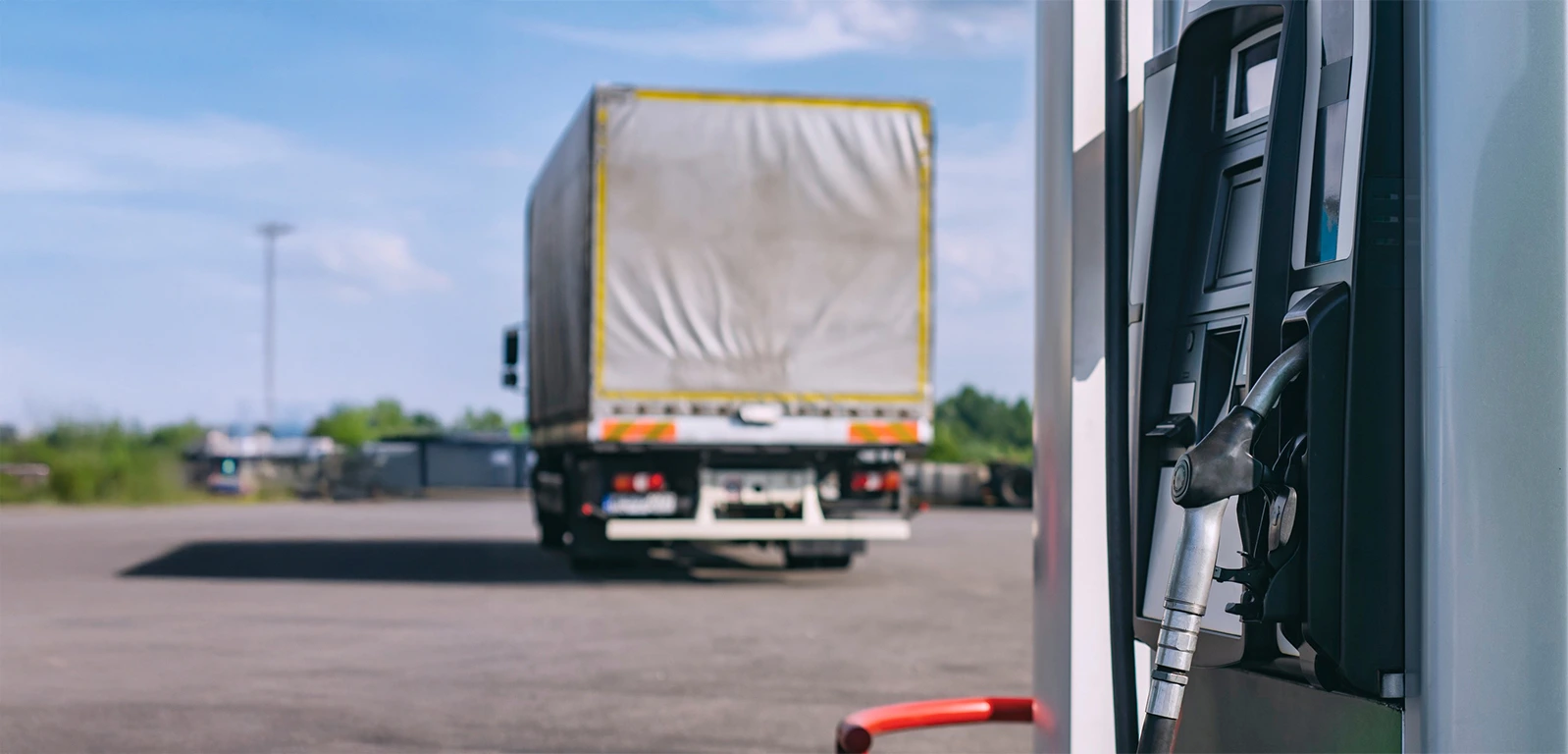
With large fleets operating across long distances, multiple geographies, and unpredictable on-ground conditions, fuel losses—whether intentional or operational—can significantly damage profitability. The solution lies in an advanced Fuel Monitoring System.
Fuel is one of the highest operating costs for enterprise fleets, often accounting for 35–50% of total logistics expenditure. Manual checks, traditional logs, or GPS-only systems are simply not equipped to track fuel with precision. This is where intelligent fuel monitoring systems come in. By combining LLS fuel sensors, telematics data, and enterprise-grade analytics, organisations now gain real-time visibility into fuel behaviour, understand consumption patterns, and eliminate pilferage at scale. For large fleets, this shift is not just beneficial—it is transformative.
Biggest Sources of Fuel Losses
Fuel loss is not just a single problem—it's a multi-faceted challenge that drains profitability through several channels. A truly effective system must address them all:
- Pilferage (Theft): This is the most direct loss. It includes siphoning fuel from tanks at unmonitored stops, remote parking yards, or even during non-operational hours. It is often covert and difficult to detect without real-time data.
- Excessive Idling: Long wait times at depots, traffic congestion, or HVAC usage drastically inflate consumption without contributing to actual kilometres driven. Idling can consume up to 1–3 litres of fuel per hour—this is pure waste that lowers the Kilometers Per Litre (KMPL) efficiency dramatically.
- Misuse and Fraud: This involves internal schemes such as fraudulent refueling, where a driver uses a company card to fill a personal vehicle or colludes with a pump attendant to inflate the billed quantity versus the actual quantity dispensed.
- Operational Misuse: Unauthorized trips, over-revving, aggressive driving, or vehicle misuse outside scheduled hours silently increase burn rate and KMPL cost.
These leakages add up. For enterprise fleets, this can translate to lakhs of rupees—in many cases crores—lost annually. Traditional fuel logs do not offer the accuracy or granularity needed to detect or correct these issues.
LLS Sensors + Telematics: Accurate Real-Time Fuel Visibility
Enter the LLS (Liquid Level Sensor) fuel sensor—a highly accurate, enterprise-grade solution designed for real-time fuel monitoring. In India and globally, LLS sensors combined with telematics have become the gold standard for detecting fuel pilferage and tracking true consumption.
How LLS Fuel Sensors Work
- High-Precision Measurement: Capacitive LLS sensors are installed directly into the fuel tank, continuously measuring the exact fuel level, regardless of the tank's shape or size (after calibration).
- Real-Time Data Flow: The sensor transmits data instantly to the telematics device, which correlates the fuel level with the vehicle's GPS location, speed, and ignition status. Changes are correlated with GPS data.
- Contextual Insight: By knowing where the vehicle is and what the engine is doing when a level change occurs, the system can instantly determine if a drop is due to normal consumption, a leakage, or unauthorized pilferage. Trends are analysed for consumption, refills, and drops. Alerts are generated for abnormalities in real-time.
LLS fuel sensor solutions in India, combined with enterprise telematics platforms like Roadcast, give organisations precise visibility into every fuel event—showing exactly when fuel was filled, how much went in, how much was consumed, when a sudden drop occurred, and whether that drop was legitimate or a clear case of pilferage. This integration delivers the accurate real-time fuel visibility needed to combat losses proactively.
Refill Validation, Sudden Drop Alerts & Variance Detection
Advanced analytics transforms raw sensor data into actionable security measures:
- Sudden Drop Alerts (Pilferage Detection): The system is configured to flag any unusual, rapid decrease in fuel level outside of normal consumption parameters (e.g., a loss of 20 liters in 5 minutes while the ignition is off). This instant alert allows for immediate investigation, catching thieves in the act or minimizing the loss. This is the core of fuel pilferage detection telematics.
- Refill Validation and Fraud Prevention: Every refuelling event is logged with a timestamp, location, and the volume added according to the LLS sensor. This data is cross-referenced with the invoice/fuel card transaction. Discrepancies (e.g., the invoice claims 100 liters, but the sensor registered only 80) flag potential collusion or fraud.
- Consumption Variance Detection: The system compares a vehicle's actual fuel consumption against its established baseline KMPL and the expected consumption for a specific route. High-variance flags can indicate engine issues, unauthorized usage, or persistent driving inefficiencies.
This empowers enterprise decision makers to identify patterns of misuse, inefficient routes, or operational loopholes.
Fleet-Level Fuel Scorecards for Enterprise Decision Makers
Fuel analytics become exponentially powerful when aggregated at the fleet level. Roadcast provides enterprise fuel analytics dashboards with:
- Vehicle-wise fuel efficiency (KMPL)
- Driver-wise behaviour indicators
- Idling hours & cost impact
- Vehicle utilisation patterns
- High-risk vehicles with repeated anomalies
- Fuel purchase history vs. consumption trends
Decision makers can benchmark fleet performance, compare region-to-region consumption, and evaluate ROI per vehicle. Fuel scorecards help:
- Set realistic KMPL standards
- Identify underperforming vehicles
- Optimize maintenance schedules
- Make data-driven decisions for fuel budgets and trip planning
These holistic analytics empower decision-makers to set governance policies, prioritize vehicle maintenance, and target driver coaching efforts where they will yield the greatest fuel savings.
Roadcast Fuel Monitoring: Implementation Workflow
Deploying Roadcast's fuel monitoring system for enterprise fleets is a structured and seamless process designed for minimal downtime.
-
Vehicle Assessment
Understanding tank shape, vehicle type, sensor compatibility, and installation requirements. -
LLS Sensor Calibration
High-precision calibration ensures the system interprets fuel levels accurately across the entire tank volume. -
Roadcast Telematics Integration
Sensors are connected with Roadcast's IoT device to sync fuel readings with GPS, driving, and trip data. -
Cloud Analytics Setup
Fuel data begins to populate dashboards, generating consumption trends, refill logs, and anomaly alerts. -
Alert Configuration
Pilferage alerts, refill validations, sudden drops, and variance thresholds are customized per enterprise policy. -
Driver & Manager Training
Training drivers on the new no-tolerance policy and instructing managers on interpreting real-time alerts and fuel scorecards. -
Continuous Monitoring & Optimization
Roadcast's backend algorithms keep refining accuracy with machine learning, helping enterprises track fuel more intelligently over time.
Case Example: How Enterprises Save 12–25% with Smart Fuel Tracking
A typical enterprise using Roadcast's fuel monitoring system with LLS sensors in India observes:
- 12–25% reduction in fuel expense
- Up to 40% drop in pilferage incidents
- 20–30% improvement in KMPL
- Significant reduction in idling costs
For a fleet of 500 trucks, this can translate into annual savings of ₹2–4 crore, depending on vehicle type and operational patterns. These results come from actionable insights—not guesswork. Enterprises can clearly spot behavioural issues, operational inefficiencies, and compliance gaps that were previously invisible.
Conclusion
In a market where margins are shrinking and compliance is tightening, enterprise fleets can't afford guesswork in fuel management. Roadcast's Fuel Monitoring System—powered by LLS sensors and advanced analytics—delivers real-time visibility to stop pilferage, improve KMPL, and strengthen operational control. By shifting fuel management from reactive bookkeeping to proactive, data-driven intelligence, enterprises not only cut costs but also gain a durable competitive edge built on accountability, transparency, and smarter decision-making.