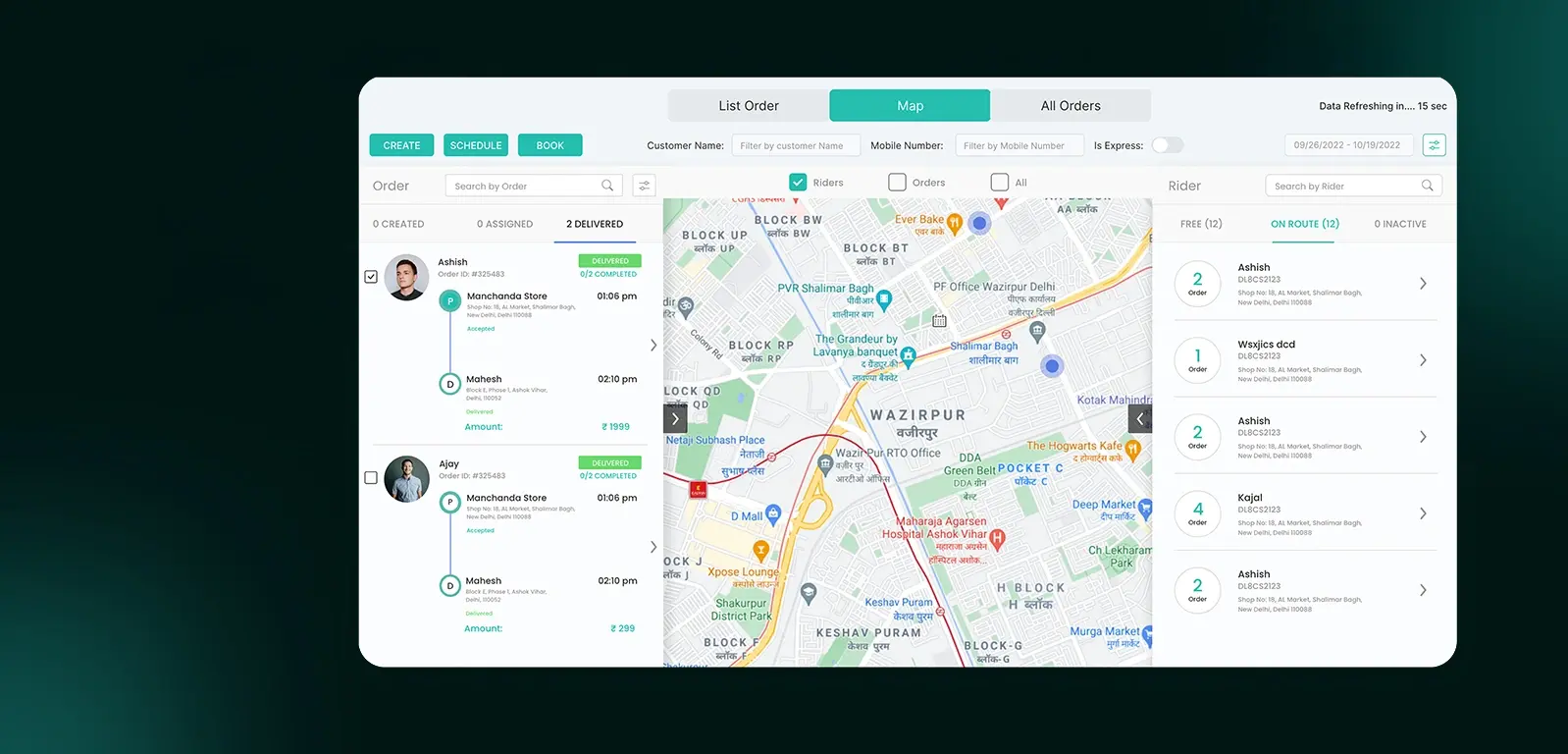
In large-scale logistics operations, inefficiency rarely comes from a single failure. It comes from fragmentation. One system tracks vehicles. Another monitors fuel. A third manages deliveries. A fourth sits at the yard gate. Each tool works in isolation—creating data silos, delayed decisions, and rising operational costs. This is where unified telematics platforms are redefining enterprise logistics.
At Roadcast, the vision is simple but powerful: one platform that connects fleet, fuel, video, yard, last mile, and route optimization—without compromise.
Why enterprises struggle with separate tools
When your logistics stack consists of 6–10 disconnected tools, several critical failures occur:
- Data Fragmentation: Information in the fuel system doesn't "talk" to the route optimization engine. Managers have to manually cross-reference reports to find the cause of inefficiency.
- High Training Overhead: Every time a new operations manager joins, they must be trained on multiple different interfaces and login credentials.
- Integration Nightmares: Trying to get different APIs to sync is a constant struggle for IT departments, often leading to laggy or inaccurate data.
- Hidden Costs: Paying multiple vendors means multiple subscription fees, separate support contracts, and no volume-based pricing advantages.
- Delayed decisions: Insights arrive after losses occur.
- Limited scalability: Adding new locations or vehicles multiplies complexity.
Enterprises don’t suffer from lack of data. They suffer from disconnected intelligence.
Benefits of a Unified Telematics Ecosystem
An enterprise logistics automation software that integrates all modules into one environment offers a paradigm shift in how business is conducted. Key advantages include:
- Centralized visibility across fleet, fuel, safety, yard, and deliveries
- Shared data context between modules instead of isolated dashboards
- Faster operational decisions driven by live, correlated insights
- Lower integration overhead and simplified vendor management
- Enterprise-grade scalability across regions, fleets, and business units
Instead of managing tools, operations teams manage outcomes. It reduces IT complexity, streamlines vendor management, and provides a seamless user experience for everyone from the dispatcher to the CXO.
Cross-module intelligence: The Power of Integration
The true magic of the Roadcast One Platform isn't just that the tools are in the same place—it’s that they share intelligence. This creates "Cross-Module Synergy":
1. Fuel + Route → KMPL Optimisation
By combining fuel sensor data with route optimization, the platform doesn't just show you that fuel was consumed; it tells you why. You can identify if a drop in mileage was due to a mountainous route, excessive idling in traffic, or unauthorized route deviations. This leads to hyper-accurate KMPL (Kilometers Per Litre) benchmarking.
2. Video + Safety → Behaviour Scoring
Standard telematics might flag a "Harsh Braking" event. However, when integrated with Video Telematics, the system automatically attaches the video clip of that exact moment. Was it a distracted driver, or was it a proactive save to avoid a jaywalker? This context transforms fleet + fuel + video + yard tracking from a surveillance tool into a fair and accurate driver coaching system.
3. Yard + Last Mile → Faster Turnarounds
When the Last-Mile system signals that a vehicle is returning for a second load, the Yard Management module automatically reserves a dock and alerts the warehouse team. This synchronization slashes the idle time between trips, ensuring the vehicle stays on the road—where it earns revenue—rather than sitting in the parking lot.
The result: higher asset utilization without adding vehicles.
Roadcast’s One Platform architecture
Roadcast has engineered its IoT logistics platform India to be the backbone of modern enterprise mobility. The architecture is built on three pillars:
- Hardware-Agnostic Scalability: We understand that enterprises have existing investments. Our platform can ingest data from almost any GPS tracker, LLS sensor, or Dashcam, allowing you to scale without a total hardware overhaul.
- Cloud-Native Processing: Designed to handle millions of pings per second, ensuring that real-time alerts are actually real-time.
- Modular Flexibility: You can start with basic fleet tracking and "plug in" modules for Fuel, Video, or Yard Management as your operational complexity grows.
Whether it’s fleet + fuel + video + yard tracking or advanced route optimization, every module shares the same data foundation.
ROI :That Enterprises Can Measure
For the C-suite, the shift to a unified platform is a financial decision. The Return on Investment is felt across four key areas:
- Direct Cost Reduction: Consolidating vendors reduces software licensing fees and hardware maintenance costs. Significant savings are also realized through automated fuel pilferage detection and optimized routing.
- Increased Uptime: Integrated maintenance alerts (based on actual engine hours and fuel health) ensure vehicles are serviced before they break down, keeping the fleet moving.
- Enhanced Productivity: Dispatchers spend 40% less time toggling between screens and more time making strategic decisions.
- Optimized Utilisation: By seeing Yard and Route data together, enterprises can identify under-utilized assets and "right-size" their fleet, potentially reducing the number of vehicles needed to do the same amount of work.
Enterprises don’t just track assets—they extract maximum value from them.
Conclusion
Logistics leaders are moving beyond patchwork systems to enterprise logistics automation software that delivers holistic control. Unified telematics is no longer a “nice to have”—it’s a competitive necessity. In India’s fast-moving logistics landscape, enterprises need more than basic tracking; they need clarity, scalability, and measurable impact. Roadcast One Platform brings fleet, fuel, video, yard, and last-mile operations onto a single intelligent backbone, turning fragmented data into actionable insight. When everything works together, logistics stops reacting—and starts performing.