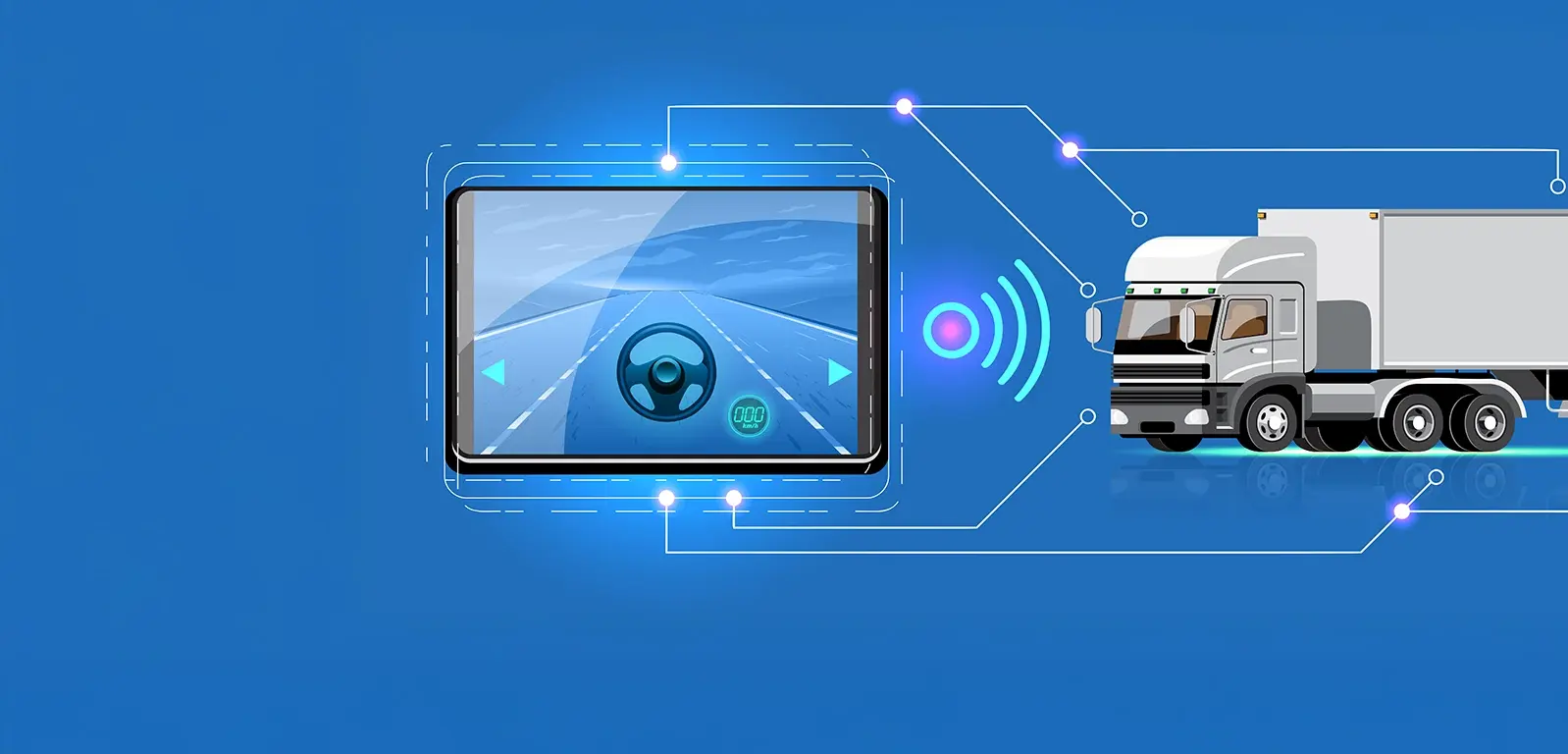
Modern enterprise Video Telematics—the integration of high-definition video recording with traditional GPS and vehicle data, use connected dashcams and IoT sensors to capture incidents, monitor behaviour, and provide live and historical visibility into driver and vehicle performance. For large fleets, this means fewer accidents, faster investigations, and data-driven accountability—without relying on manual reporting. For large organizations, this technology is no longer a luxury upgrade; it is the fundamental tool for risk mitigation, insurance liability control, and operational intelligence.
A modern enterprise video telematics system transforms the truck cabin into a data hub, ensuring that fleets are not only compliant and safe but are also generating continuous, actionable insights that directly impact the bottom line.
What is Video Telematics and Why Enterprise Fleets Can’t Ignore It
Video Telematics is the powerful convergence of two critical data sets:
- Vehicle Telematics: Data points from the vehicle itself—speed, location, harsh braking, acceleration, engine diagnostics (CAN Bus data).
- Video Footage:High-definition recordings capturing the road ahead and the cabin environment (driver behavior).
The system uses advanced cloud and AI processing to instantly connect these data points.. Enterprise fleets cannot ignore this integration because it moves safety from reactive (dealing with the aftermath of an accident) to proactive (preventing the accident in the first place).
Safety Benefits:
The primary value proposition of video telematics centers on creating a verifiable culture of safety:
- Driver Behaviour Monitoring: AI-powered cameras utilize edge processing to instantly detect high-risk behaviors inside the cabin. This includes smoking, mobile phone usage, distracted driving, and signs of fatigue or drowsiness. Managers receive real-time alerts, allowing for immediate intervention and personalized coaching sessions based on the actual video evidence. This continuous feedback loop is crucial for any driver behaviour video telematics platform.
- Irrefutable Incident Reconstruction:In the event of a collision, the system automatically locks the relevant footage, along with preceding and succeeding seconds, complete with GPS location and speed data. This incident reconstruction capability is vital for insurance claims, quickly establishing fault, and drastically reducing the time and cost associated with investigations.
- Compliance and Exoneration: Video records help organisations meet safety and compliance mandates under fleet audit frameworks or government transport norms. The system acts as an impartial witness, ensuring drivers are compliant with traffic laws. More powerfully, it exonerates innocent drivers in cases of false claims (like "crash-for-cash" schemes) or wrongful traffic citations, saving the enterprise significant legal and financial burdens. The end result is a culture of accountability, where drivers drive safer because they know their performance is both visible and fairly evaluated.
Data Insights:
The true power of an enterprise video telematics system is realized when the data streams are merged into unified analytics:
- Predictive Maintenance:By correlating harsh driving events (video + telematics) with the vehicle’s specific make and model, the system can predict wear and tear on brakes, tires, and suspension components. This moves maintenance from a fixed schedule to a predictive model, minimizing unexpected breakdowns and costly downtime.
- Risk Mitigation Scoring: Every driver and every route can be assigned a quantifiable risk score based on the frequency and severity of flagged video events. This allows fleet managers to reassign low-scoring drivers to non-critical routes or enroll them in immediate remedial training, actively mitigating overall fleet risk.
- Route Contextualization: Analyzing video of specific route segments (e.g., a challenging intersection or loading dock entrance) alongside GPS data helps the fleet refine route planning, identifying areas that consistently force harsh braking or require difficult maneuvers.
- Fleet Efficiency: Integrating video data with route and fuel analytics identifies operational inefficiencies—such as long idling, aggressive driving, or poor route adherence—that directly affect fuel spend and asset life.
For enterprises, this blend of visual and telemetric data turns reactive management into proactive optimisation.
Hardware Considerations: Dashcams, AI Edge Processing, Connectivity
The foundation of every enterprise dashcam telematics integration lies in the hardware.
- Dashcams: Dual-channel cameras (road-facing + cabin-facing) provide context for both vehicle surroundings and driver actions.
- AI Edge Processing: On-device AI detects unsafe events (fatigue, distraction, smoking) in real time, reducing bandwidth by uploading only relevant footage.
- Connectivity: 4G/5G and Wi-Fi connectivity ensure data syncs to cloud servers seamlessly. Cached local storage provides backup during network downtime
Selecting the right mix of edge-AI capability, resolution, and data retention ensures the system is both scalable and compliant with enterprise data policies.
How Roadcast Delivers Video Telematics at Enterprise Scale
Roadcast's enterprise video telematics system integrates high-definition dashcams with its advanced fleet platform to deliver complete operational intelligence.
Key capabilities include:
- Live streaming and historical playback:Administrators can view vehicles in real time or access archived clips for analysis.
- Event-based alerts:Instant notifications for accidents, harsh driving, or route deviations.
- AI-based behaviour scoring:Drivers receive safety scores, while managers can identify patterns across fleets.
- Cloud-synced analytics:Roadcast merges the video evidence, GPS location, and CAN Bus diagnostics onto a single dashboard, eliminating the chaos of multiple point-solutions to assess fleet health, efficiency, and compliance.
- Scalability:Roadcast’s architecture supports thousands of connected vehicles across geographies with robust API integrations for third-party platforms.
- Unified Platform: Hardware Agnostic:Our software can integrate with a wide array of specialized video hardware, allowing enterprises to choose devices based on budget and specific regional needs without being locked into a proprietary system.
Case Examples:
A pan-India logistics operator using Roadcast’s solution deployed dashcams across 1,200 vehicles. Within six months, harsh-driving incidents fell by 40%, claim disputes dropped 60%, and insurance premiums were renegotiated downwards—proving tangible ROI on fleet safety and efficiency.
A large transport client used Roadcast’s platform to reduce serious safety events (harsh braking, cornering) by 22% in four months by implementing a daily driver coaching program based exclusively on the short, precise video clips flagged by the system. This concrete feedback proved far more effective than generic training modules.
Implementation Tips: Bandwidth, Storage, Data Privacy & Driver Buy-In
Successful video telematics deployment requires a thoughtful approach across technology and people:
- Bandwidth and Storage: Plan your data usage carefully. Utilize AI edge processing to minimize the amount of video footage uploaded. Focus on storing only incident-related and coaching clips, not continuous streaming.
- Data Privacy and Policy:Clearly communicate to drivers exactly what is being recorded and why. Emphasize that the system is for protection, not punishment, and detail the strict policies governing data access. This is essential for gaining driver buy-in.
- Phased Rollout:Start the implementation with a small, receptive pilot group of drivers and vehicles. Use the initial positive results (e.g., exoneration stories) to champion the program internally and address any initial skepticism. Educate drivers that video telematics protects them from false claims and helps improve safety, not punish them. Recognition programs for safe driving strengthen adoption.
Conclusion
Video telematics bridges visibility and accountability for enterprise fleets. By merging AI-powered dashcams with telematics data, Roadcast enables safer, smarter, and more efficient operations—enhancing safety, compliance, and transparency. Adopting video telematics builds not just smarter fleets, but a sustainable, data-driven culture of safety and operational excellence.