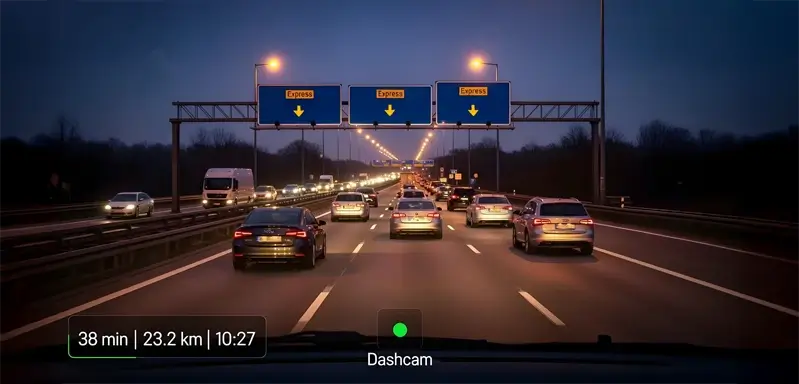
Our roads are the lifelines of commerce and daily life, yet they remain a significant arena for accidents, injuries, and fatalities. For decades, improving road safety primarily focused on driver education, better vehicle design, and enforcement of existing traffic laws. While these efforts have made a difference, the advent of new technologies and the evolution of regulatory frameworks are now converging to create an unprecedented era of enhanced road safety. This powerful synergy is not just about reducing accidents; it's about building a more intelligent, responsive, and ultimately safer transportation ecosystem for everyone.
Advanced Driver Assistance Systems (ADAS)
ADAS have become integral to modern vehicles, offering features s like Adaptive Cruise Control, Lane Keeping Assist, Automatic Emergency Braking (AEB), Blind Spot Monitoring, and Rear Cross-Traffic Alert are no longer just premium add-ons. These systems utilize sensors, cameras, and radar to monitor the vehicle's surroundings and assist drivers in making safer decisions. For instance, AEB can automatically apply brakes when a potential collision is detected, significantly reducing rear-end crashes. Governments are imposing fines for distracted driving detected by smart cameras.
The National Highway Traffic Safety Administration (NHTSA) has mandated that all cars and light trucks be equipped with advanced AEB systems by 2029, a move expected to save hundreds of lives annually.
Telematics and AI-Powered Fleet Management:
For commercial vehicles, telematics systems provide real-time data on driver behavior (e.g., harsh braking, speeding, distracted driving). When combined with AI and machine learning, these systems can predict risk factors, identify fatigued drivers, and provide immediate, actionable feedback. This shifts the focus from reacting to incidents to preventing them proactively through targeted training and alerts.
GPS Tracking & Remote Vehicle Immobilization
Real-time GPS tracking ensures that fleet managers monitor routes for
efficiency and safety.
Geo-fencing alerts notify when vehicles enter restricted areas. Remote immobilization
allows authorities to stop stolen or unauthorized vehicles. It has enabled theft prevention,
optimized routes, and safer driving speeds. India’s AIS-140 mandate requires commercial
vehicles to be fitted with GPS tracking. Countries are enforcing speed governors via GPS for
heavy-duty vehicles.
Stricter Laws on Drunk & Distracted Driving
In-vehicle breath analysers prevent drunk driving by disabling
ignition if alcohol is detected.
Further, AI-powered roadside cameras detect mobile phone usage while driving.
Stronger DUI laws enforce mandatory alcohol detection in fleet vehicles. Fines and
driving bans for texting and driving violations are increasing.
Vehicle-to-Everything (V2X) Communication
V2X technology enables vehicles to communicate with each other and with infrastructure like traffic signals and road signs. This real-time information exchange can prevent accidents by alerting drivers to hazards such as oncoming vehicles at intersections or sudden traffic slowdowns. In future, governments will implement this technology using their potential to save lives through improved connectivity.
Electric and Autonomous Vehicles
Self-driving cars promise to revolutionize road safety by eliminating human errors, which are a leading cause of accidents. Self-driving technology uses AI, LiDAR, and radar to make split-second driving decisions. EVs reduce emissions, contributing to cleaner and safer urban roads.
Stricter EV adoption targets are pushing automakers to integrate autonomous safety features.
Laws are shaping policies on self-driving vehicle deployment and liability.
However, challenges remain in proving their efficacy and gaining public trust, as occasional incidents have raised concerns about their reliability.
Enhanced Safety Ratings and Regulations
Regulatory bodies are updating vehicle safety ratings to include assessments of advanced driver-assistance technologies and pedestrian protection measures. Starting with the 2026 model year, the NHTSA will incorporate evaluations of features like pedestrian automatic emergency braking and lane-keeping assist into its safety ratings. This initiative aims to provide consumers with clearer safety information and encourage automakers to adopt these technologies more rapidly.
A Safer Future, Driven by Collaboration
The convergence of cutting-edge technology and evolving regulations is creating a powerful safety net on our roads. This isn't just about stricter laws or fancier cars; it's about a holistic approach where intelligent systems anticipate risks, drivers receive real-time support, and infrastructure actively contributes to safer journeys. The goal is to minimize human error, respond instantly to hazards, and create a driving environment where accidents are significantly reduced. This collaboration between innovation and governance promises a safer, more efficient, and more reliable transportation experience for everyone.
Related Blogs
ADAS for Commercial Vehicles: The Complete Guide for Indian Fleet Managers (2026)
The Silent Killer on Indian Roads No One Talks About
The Future of Fleet Management: How GPS Tracking and Telematics Are Shaping the Industry
Breath Analyzer Integration: Enforcing Driver Safety & Compliance Across Enterprise Fleets