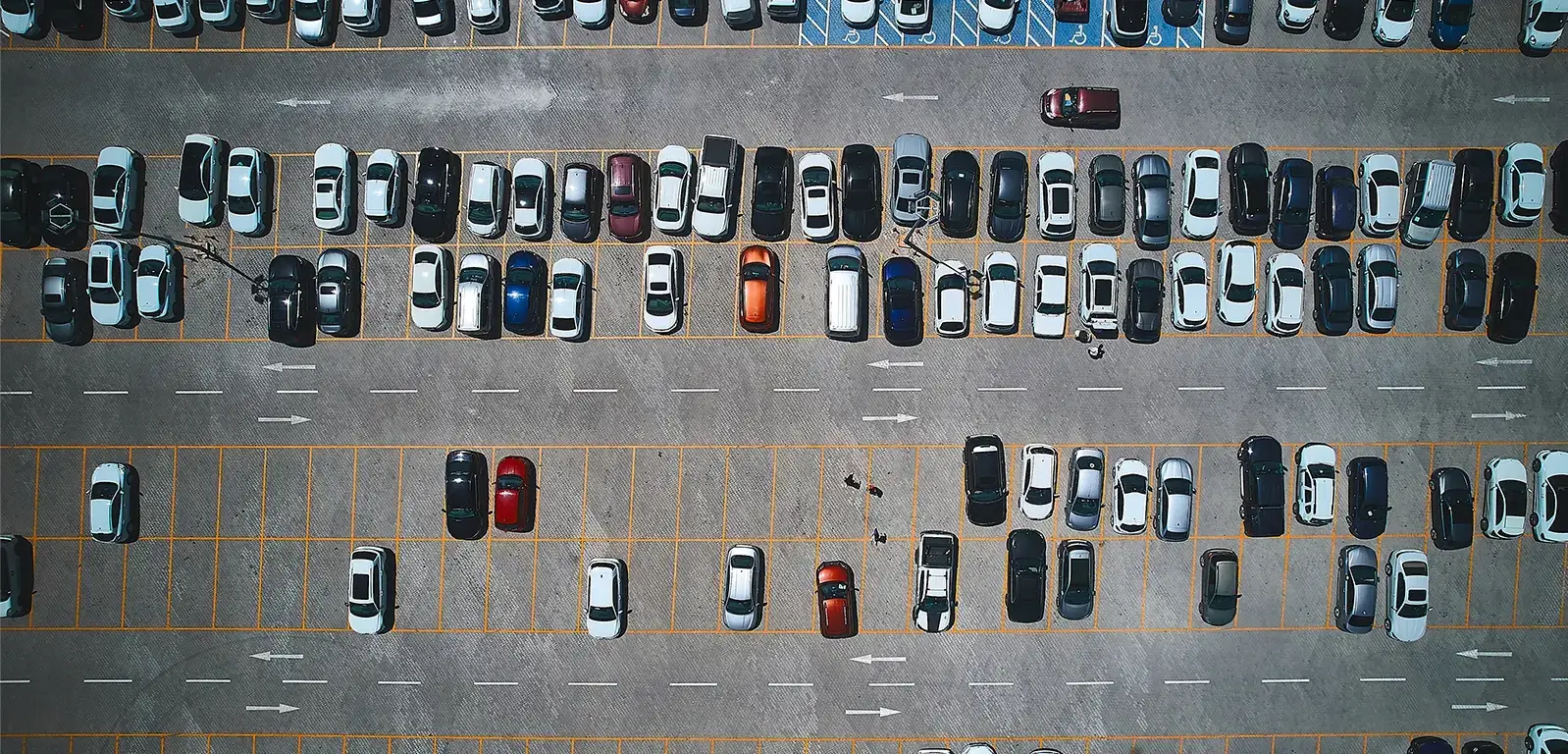
If you live in a busy city, you know the parking nightmare—circling endlessly, honking in frustration, and squeezing into tight spots. It's not by chance but the result of rising car ownership colliding with limited space. Parking has become one of the toughest urban mobility challenges.
But a revolution is underway. Technology is transforming the blind search into a smart, data-driven process—emerging as the ultimate urban navigator to bring order to chaos and finally end the parking struggle.
Ideal Solution
Reducing reliance on personal vehicles, by encouraging public transport, can ease parking demand.
"A developed country is not a place where the poor have cars. It's where the rich use public transportation." is a quote attributed to a Colombian politician.
In Tokyo, strict regulations require proof of parking space before buying a car. Unfortunately, in a country like India, this scenario is currently impractical. Underdeveloped mass transport systems, last-mile connectivity, and the sheer number of commuters have hindered the popular acceptance of such a solution.
The Parking Problem
The numbers paint a stark picture. In India alone, nearly 30% of traffic congestion is caused by vehicles searching for parking spaces. Multiply that by thousands of vehicles in metro cities, and you have not just wasted time, but wasted fuel, rising emissions, and frustrated drivers.
Some of the key pain points include:
- Shortage of spaces compared to the rising number of vehicles.
- Lack of visibility—drivers don't know where the nearest available slot is.
- Wrong parking creating disputes, blocking driveways, and even attracting fines.
- Inefficient payment systems like cash-only kiosks and manual receipts.
- Security risks, with vehicles left unattended in open lots.
It's clear: parking isn't just a minor inconvenience—it's a business, environmental, and safety issue.
How Technology is Changing the Game
Thankfully, the smart city movement and digital mobility solutions are changing how parking is managed. Let's look at some of the most promising innovations.
1. Smart Sensors & IoT
Smart parking apps and sensors end aimless circling. With real-time data from ground sensors and cameras, drivers see availability before leaving home. Parking is no longer luck—it's data-driven, seamless, and stress-free.
2. App-Based Navigation to Slots
Imagine driving into a busy mall and your app guiding you directly to an available spot. Sensors embedded in parking lots can detect whether a slot is occupied or vacant. These sensors feed real-time data into apps, showing drivers exactly where to find an empty spot. Some advanced systems even use overhead cameras for accuracy. The result? Less circling, less fuel wasted, and reduced congestion.
3. QR Code & Contactless Parking
QR tech has simplified payments and menus—and now it's transforming parking. With QR codes on vehicles, owners can manage entry, exit, and even wrong-parking disputes. A quick scan connects drivers without revealing personal numbers.
Governments push smart-city initiatives, startups innovate with apps, and companies like TWM (Track What Matters) bring accessible solutions. TWM's QR-based system resolves wrong parking instantly—saving time, preventing conflict, and keeping vehicles safe. Scaled across thousands of cars, this small innovation creates a big impact.
4. AI-Powered Number Plate Recognition
Automatic Number Plate Recognition (ANPR) systems, powered by AI cameras, can record entry and exit without manual intervention. They improve security, prevent unauthorized access, and create digital records of every parked vehicle.
5. Digital Payments & Dynamic Pricing
No more fumbling for change or dealing with lost receipts. With UPI and wallet-based parking payments, drivers can pay instantly. Some systems even use dynamic pricing—charging more during peak hours to encourage turnover and balance demand.
6. Corporate & Fleet Parking Solutions
Companies are also adopting tech for employee parking management. Digital allocation systems assign slots, monitor availability, and reduce chaos in office complexes. Fleet operators, meanwhile, can track where each vehicle is parked—reducing idle time and boosting productivity.
Why Smart Parking Matters
Beyond convenience, smart parking delivers real impact:
- Saves Time & Fuel: Drivers get to their destination faster without endless searching.
- Reduces Pollution: Fewer cars circling means lower emissions.
- Cuts Costs: Wrong challans, towing fines, and disputes can be avoided.
- Boosts Safety: Monitored lots deter theft and misuse.
- Improves ROI for Businesses: Smarter parking means more efficient use of space and happier customers.
The Road Ahead
While smart apps optimize the search for parking, another technology tackles the bigger issue—space. In crowded urban centers where every square foot matters, automated and robotic parking systems are the game-changer. Drivers simply pull onto a platform, tap a screen, and robotic systems lift, slide, and stack cars with efficiency no human can match. By removing ramps and aisles, these systems fit far more cars into the same footprint, while eliminating minor scrapes and boosting security.
The next layer is powered by Artificial Intelligence. AI not only guides drivers to available spots but helps cities manage the entire ecosystem. By analyzing demand patterns, public transport use, and historical data, AI enables dynamic pricing—charging more during peak hours to balance usage. It also empowers urban planners by forecasting future parking needs, turning parking from a reactive challenge into proactive, data-driven infrastructure planning.
Conclusion
Parking may look like a small problem, but left unchecked it fuels traffic, pollution, and daily stress. Smart tech—sensors, dashcams, QR codes, and AI—makes parking seamless and efficient. Beyond convenience, it's about building smarter, greener, more livable cities where the frustration of circling for a spot becomes history, replaced by the simple ease of arriving.