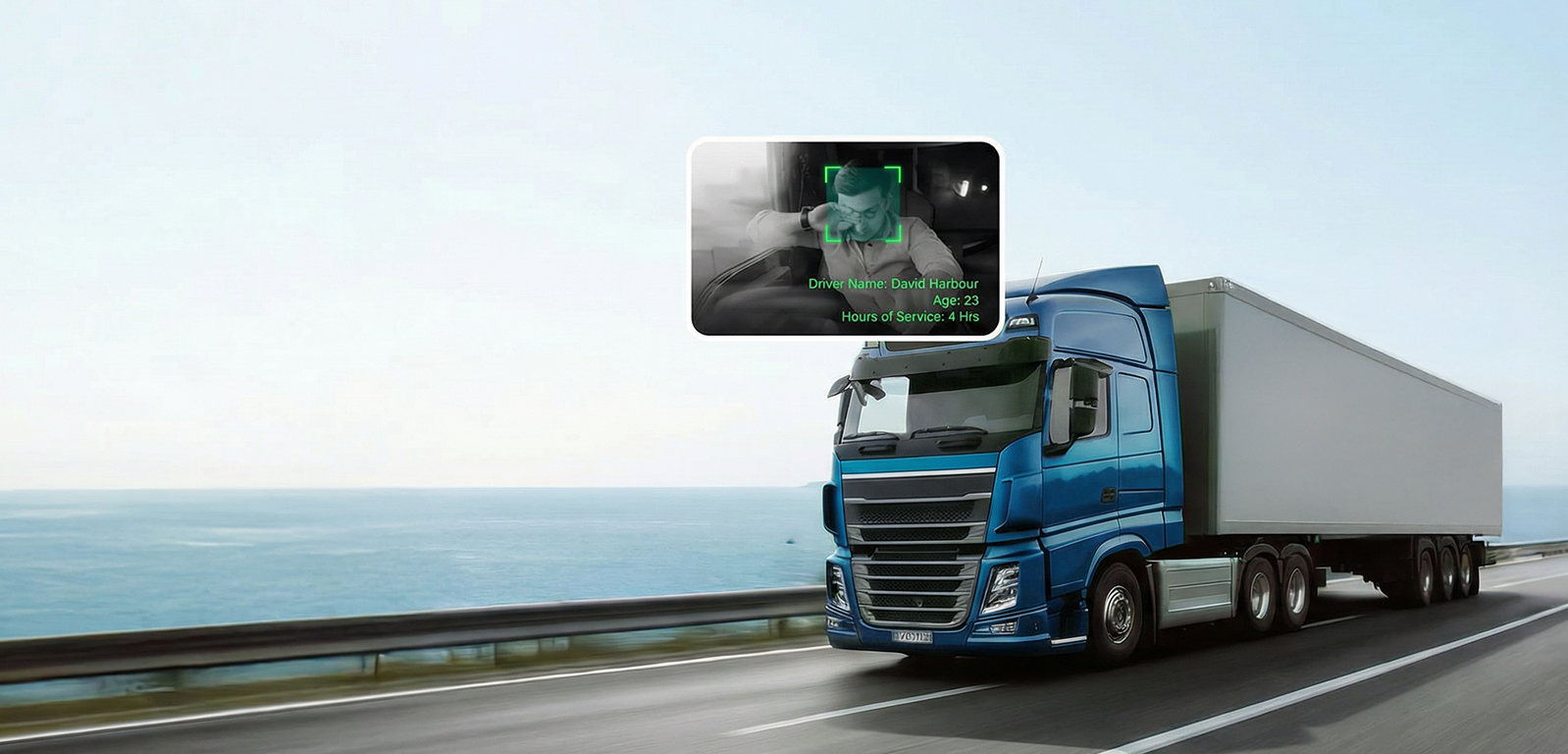
Traditional GPS tracking alone can't address modern fleet risks or ensure driver accountability. With stricter regulations, tighter insurance oversight, and rising safety expectations, enterprises across logistics, e-commerce, mining, FMCG, and transportation are shifting to enterprise video telematics. For large fleets, safety and compliance demand deeper context—something traditional telematics could never offer. By combining HD video, AI-driven insights, and real-time vehicle data, AI dashcam–powered video telematics transforms every vehicle into a proactive safety and compliance hub. It doesn't just record events—it helps predict, prevent, and respond to them with unprecedented accuracy.
What Enterprises Gain from AI-Powered Video Telematics
An enterprise video telematics solution offers far more than a dashcam feed. It integrates real-time video, AI-based driver behaviour detection, sensor data, and advanced analytics into a unified system. This multi-layered approach enhances decision-making and reduces operational blind spots.
- Proactive Risk Mitigation: Enterprises can monitor their fleet round-the-clock with dual-channel dashcams (road-facing + driver-facing). Every critical on-road event—speeding, harsh turns, close-proximity alerts—is captured and recorded for review or audit. AI processes video footage at the edge (on the device), instantly detecting unsafe behaviours and issuing real-time, in-cab alerts to the driver, allowing for immediate self-correction before a near-miss becomes a collision.
- Reduced Liability and Claim Costs:Irrefutable video evidence, combined with sensor data, provides accurate context for incidents, helping to exonerate not-at-fault drivers. With fewer accidents, optimized routes, and reduced insurance premiums, enterprises typically see a measurable ROI within the first few months of deployment.
- Targeted Driver Coaching: Managers no longer spend hours reviewing footage. The system automatically tags and uploads only critical, relevant clips that creates a transparent ecosystem supporting training and reducings unsafe practices. Drivers are more cautious when they know their behaviour is monitored via video + analytics.
- Standardized compliance reporting: Industries with stringent safety norms (petroleum, mining, logistics, pharma) benefit from automated reports, audit logs, and standard compliance formats.
- Operational Efficiency: Safer driving habits (reducing harsh events) lead directly to lower fuel consumption and less wear-and-tear on vehicles, lowering maintenance costs and increasing vehicle lifespan.
This comprehensive safety oversight is indispensable for any large-scale operation committed to excellence and compliance.
Driver behaviour insights: distraction, drowsiness, harsh braking
The true power of the AI dashcam fleet safety solution lies in its ability to monitor and correct the root cause of most accidents: human error. Dual-facing cameras—one on the road, one on the driver—utilize advanced computer vision to identify high-risk internal and external behaviours in real-time.
Key insights include:
- Distraction Detection:Instantly flags mobile phone use, texting, or a driver looking away from the road for too long.
- Drowsiness/Fatigue:AI tracks signs of driver fatigue, such as frequent yawning or droopy eyelids, and triggers an alert to encourage a rest break.
- Harsh Braking & Acceleration: These external events are captured and contextualized with video, helping managers distinguish between a necessary hard stop and aggressive driving. Also flagging lane discipline violations.
- Smoking/Seatbelt Compliance: Enforces company policy and regulatory requirements by detecting these common violations.
With instant in-cab feedback, the system builds a safer, more disciplined driving culture across the fleet. Managers can classify drivers by risk level and deliver targeted coaching, resulting in fewer incidents, stronger compliance, and consistently improved safety standards over time. Enterprises using these systems often observe up to 40–60% improvement in safe driving scores within a few weeks.
Collision reconstruction using video + sensor + GPS data
In the unfortunate event of an incident, the system acts as an objective witness. Advanced video telematics platforms automatically save and upload a clip of the critical event including the moments immediately before and after the trigger.
This clip is a rich data package for precise collision reconstruction, integrating:
- High-Definition Video: Footage of the road and the cabin provides visual confirmation of the event.
- Sensor Data (G-force/Accelerometer): Records the exact forces involved, confirming the severity and direction of the impact.
- GPS Data: Pinpoints the precise location, speed, and direction of travel at the moment of the event. Provides Time-stamped event markers triggered by AI alerts
- CAN Bus Data:Can include details like braking force and engine diagnostics, providing an objective vehicle health snapshot.
With this multi-layered data—video, sensors, and GPS—fleets can accurately reconstruct any incident, revealing whether the driver was distracted, the impact came from another vehicle, the speed was appropriate, or if the manoeuvre could have been avoided. This data is invaluable for legal protection, insurance claims, audits, and disciplinary actions.
Insurance & compliance benefits
Implementing a robust enterprise video telematics solution is a powerful statement to both regulators and insurance providers.
- Lower Premiums:Insurers often offer reduced premiums to fleets that can demonstrate a proactive, data-driven approach to safety and risk reduction. The proven reduction in accident frequency and severity translates directly to lower risk profiles, faster claim settlement, priority approval for policy renewal
- Regulatory Compliance:The system provides auditable proof of adherence to key safety regulations, such as seatbelt use, hours-of-service compliance (when integrated with ELD), and policies against distracted driving. From a compliance standpoint, enterprises can instantly generate safety audit trails, behaviour scorecards, route adherence reports, fatigue logs, and incident reports complete with video evidence—creating a streamlined, transparent, and fully documented compliance framework.
- Exoneration and Defense:Instant video evidence allows the fleet to quickly defend against fraudulent "crash-for-cash" scams or unfair fault allocation, protecting the company's reputation and financial stability.
The FMS thus transforms from an operational tool into a core component of the enterprise risk management strategy. This directly benefits organizations operating under regulatory frameworks such as OHS, NHAI logistics mandates, or ISO safety standards.
Roadcast Video Telematics (TWM 2K Dashcam) enterprise-level architecture
The architecture of a system like Roadcast video telematics is built for the complexity of large enterprises. The Roadcast TWM 2K Dashcam represents a best-in-class dual-channel dashcam enterprise solution designed for scalability and reliability.
- Edge Computing:The AI processing happens on the TWM 2K device itself (Edge AI), ensuring immediate alerts and minimizing the volume of data that needs to be transmitted over the cellular network. Events like distraction, drowsiness, and tailgating are detected on the device, reducing network load and improving event accuracy.
- Integrated GPS + accelerometer sensors:Ensures complete event context for reconstruction and analytics.
- Cloud-Based Platform:Event-triggered clips and high-priority data are securely uploaded to a centralized, scalable cloud platform. This allows managers to access footage and analytics from anywhere. The dashcam synchronizes footage, metadata, AI alerts, and telematics data to Roadcast’s backend in real time.
- Scalable to thousands of vehicles:Roadcast’s architecture is built on microservices, enabling seamless deployment across multiple locations or large national fleets.
- Unified Dashboard:Roadcast integrates the video feed with its standard GPS and telematics data, providing a single, holistic view of vehicle location, driver score, and incident video, eliminating the need to jump between separate systems.
- High-Resolution Capture:The 2K resolution ensures crystal-clear, forensic-quality footage for accurate incident review. Covers both driver-facing and road-facing channels with crystal clarity, even at night—powered by NightPulse Vision.
This architecture ensures high performance, minimal bandwidth usage, and secure, centralized data management for vast fleets.
Rollout: storage, network, policies, driver sensitization
A successful rollout of an enterprise video telematics solution requires a strategic approach beyond simply installing hardware.
- Storage and Network Planning:Leverage the AI's edge processing to minimize continuous upload bandwidth. Establish clear policies on which footage (incident-triggered vs. continuous) is stored locally (up to 256GB support) and what is uploaded to the cloud, to manage data costs effectively.
- Data Policy and Privacy: Clearly define and communicate the policies governing data access. Emphasize that the system is a safety tool for protection and coaching, not a surveillance tool for punishment. Adhering to strict data privacy guidelines is crucial for driver trust.
- Driver Sensitization and Training: The success of the FMS hinges on driver buy-in. Conduct mandatory training sessions that explain how the AI dashcam works, the benefits of the real-time alerts, and how the data will be used to improve their safety and defend them in case of an accident. Frame the system as a co-pilot, not a watchdog.
- Phased Deployment: Start with a pilot group to iron out technical and procedural issues before a full fleet-wide rollout.
Conclusion
As enterprises grow, safety and compliance demands become far more complex—making GPS-only tracking insufficient for today’s fleet risks. AI video telematics with dual-channel dashcams brings the visual intelligence, analytics, and real-time decisioning needed to close that gap. Roadcast’s enterprise-grade solution, powered by the TWM 2K AI Dashcam, equips organizations to reduce incidents, strengthen compliance, and enhance operational efficiency. Fleets that embrace a video-first approach today will be the safest and most reliable tomorrow. With a well-planned rollout across both technology and workforce training, enterprises can seamlessly integrate Roadcast’s Video Telematics and build a truly proactive safety backbone.