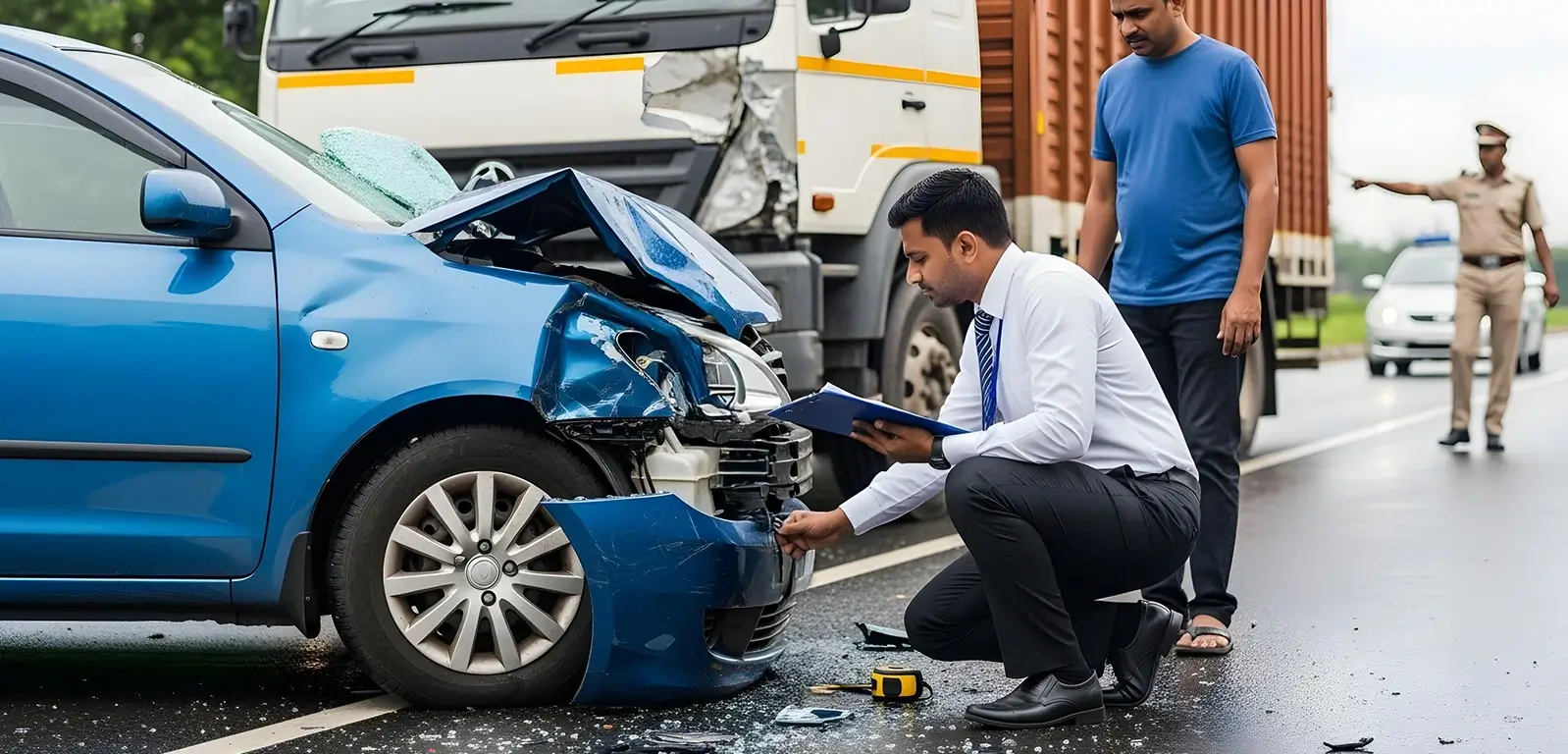
In the chaotic aftermath of a car accident, a single moment of impact can quickly dissolve into a tangled mess of conflicting stories, accusations, and confusion. Who was at fault? Did the other driver run the red light? Were they on their phone? Without objective evidence, an insurance claim can become a frustrating, prolonged, and costly battle of "he said, she said."
This is precisely where the humble dashcam, once a niche gadget for tech enthusiasts, is transforming the automotive world. It continuously records footage of a vehicle’s surroundings while on the road. This simple function has significant implications for insurance claims. Where earlier insurers relied heavily on driver statements, eyewitnesses, and police reports—often subjective and prone to error—dashcam footage provides clear, unbiased evidence. It’s a powerful tool that is fundamentally changing how insurance claims are handled and, in turn, putting money back into the pockets of drivers.
Clear Evidence, Faster Claims
Claims once dragged on for weeks due to investigations and disputes. Dashcams change that with clear video proof, instantly confirming liability in cases like rear-end collisions. Faster approvals boost customer satisfaction, cut insurer costs, and for fleets managing hundreds of vehicles, these time savings deliver major efficiency and operational advantages.
- Globally, claims with dashcam evidence are resolved up to 60% faster compared to those without, and around 70% of insurers report faster resolution when video proof is available.
- In India,where more than 1.5 lakh road fatalities occur annually, the demand for faster, evidence-based claim settlement is acute. Courts and insurers are increasingly accepting dashcam footage as valid evidence, helping drivers avoid wrongful liability and speeding up settlements.
For policyholders, this means less stress and quicker compensation. For insurers, it reduces investigation costs and administrative delays.
Fighting Fraud with Proof
India, like many other countries, has seen a rise in "crash-for-cash" scams, where drivers intentionally cause accidents to file false insurance claims. A dashcam is the ultimate defense against these schemes. Footage of a staged incident can not only save a driver from a massive financial burden but can also lead to the prosecution of the fraudsters.
- In the U.S., dashcams have reduced fraudulent claims by 15–25%, saving insurers millions.
- In India, viral cases like the Bengaluru “crash-for-cash” scam (where a pedestrian staged a fake accident to claim insurance) highlight the rising relevance of dashcams. Such footage protects honest drivers from becoming fraud victims and helps insurers avoid unnecessary payouts.
Fraud reduction not only protects drivers but also strengthens the overall risk pool, paving the way for fairer premium pricing.
Proving Innocence
In scenarios where a driver is wrongly accused of a traffic violation or an at-fault accident, a dashcam is their best friend. It can prove they were driving cautiously and within the law, safeguarding their driving record and reputation.
Driving Safer Habits
The impact of dashcams extends beyond post-accident resolution. Knowing that every journey is being recorded, drivers often adopt safer driving habits—reducing speeding, abrupt lane changes, or distracted driving. For fleet operators, this visibility into driver behavior helps enforce safety policies and reduce accidents, ultimately lowering both operational costs and insurance exposure.
- Fleets equipped with dashcams and telematics report 41% declines in claim values and 45% lower legal expenses.
- In India, dashcam adoption is also being driven by rising road rage incidents in cities like Bengaluru and Delhi. Recordings not only provide accountability but also discourage reckless behavior, making roads safer.
Some advanced models now integrate AI to detect fatigue or phone use, giving real-time alerts and helping prevent accidents before they happen.
Cutting Costs and Premiums
With reduced fraud, fewer disputes, and safer driving behaviors, insurers have begun to offer premium discounts to policyholders who use dashcams. For individuals, this can mean lower monthly insurance costs, while for commercial fleets, the savings can be substantial.
Some insurers are also piloting usage-based insurance models where dashcam data, combined with telematics, is used to calculate premiums tailored to actual driving behavior. This shifts insurance from a one-size-fits-all approach to a fairer, performance-based model.
- In the UK and U.S., some insurers offer discounts of 10–15% on premiums for policyholders with dashcams.
- For fleets, 40% of operators report lower premiums post-adoption, along with reduced downtime and legal costs.
In India, while IRDAI guidelines don’t yet permit insurers to officially lower premiums for dashcam use, the devices still indirectly save drivers money by preventing wrongful claims and strengthening cases with irrefutable evidence. Many experts argue that it’s only a matter of time before insurers integrate dashcam use into pricing models, especially as adoption grows.
Avoiding Out-of-Pocket Expenses
The cost of a dashcam, which can range from ₹4,000 to ₹10,000, is a small, one-time investment. In comparison, a single at-fault accident can lead to thousands of rupees in increased premiums, deductibles, legal fees, and out-of-pocket repair costs. The dashcam's ability to prevent just one such incident makes its return on investment virtually limitless.
Case Study: Fleets Leading the Way
Commercial fleets quickly embraced dashcams to protect drivers, cargo, and reputation. Today, logistics, ride-hailing, and delivery firms use them to settle claims, train drivers, and prevent accidents. The payoff: fewer crashes, faster settlements, and major insurance savings—spurring individual adoption and making dashcams a fast-growing in-car technology worldwide. The Road Ahead
Indian car owners are rapidly warming up to dashcams:
- A survey across Delhi NCR, Mumbai, and Bangalore found that 48% of respondents want front and rear dashcams made mandatory in new vehicles—outranking airbags and even 5-star crash ratings.
- Market research projects a 16% CAGR for the Indian dashcam industry between 2024 and 2030, fueled by rising accident rates and a growing vehicle fleet.
- Current adoption is around 8%, but it is expected to reach 15–20% in the coming years, aligning India with global averages.
This surge reflects a growing awareness among Indian drivers that dashcams are not just about safety—they’re about financial protection too.
As dashcam technology evolves, integration with cloud storage, AI analysis, and real-time alerts will make them even more powerful. Insurers are exploring partnerships with dashcam providers to streamline claims processing directly through video evidence uploads. In the near future, we can expect claims processes that take hours instead of days, and personalized insurance pricing that rewards safe driving.
In India, rising consumer demand, increasing legal recognition of dashcam footage, and growing fleet adoption suggest that these devices could soon move from optional accessories to standard safety features.
Conclusion
Dashcams are rewriting the rules of road safety and insurance. Globally, they are cutting fraud, speeding up claims, and driving premiums down. In India—where road risks, disputes, and scams are high—their value is even greater. A dashcam offers undeniable proof in accidents, protects against false liability, and helps insurers resolve cases faster, saving policyholders both time and money.
For individuals and fleets, installing a dashcam is no longer about just peace of mind. It’s about smarter, safer, and more cost-effective driving. These devices are catalysts transforming the entire insurance ecosystem—creating a win-win for both drivers and insurers with faster claims, fewer disputes, and stronger accountability.
In essence, a dashcam turns your car into a fortress of evidence. A small investment today becomes a shield against fraud and a path to lower premiums tomorrow—making it one of the smartest tools you can add to your vehicle.