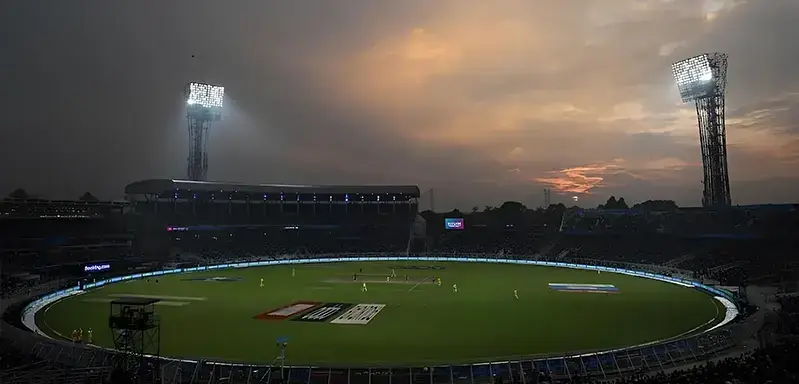
The Playing Field= The Market Landscape
In cricket, the pitch and field dimensions define the playing environment — with boundaries, field placements, and pitch conditions affecting the game plan. Similarly, in logistics tech, the “playing field” is the market landscape, including infrastructure, regulations, customer needs, and competitor actions. Just like any good captain reads the pitch before the toss, in tech one assesses the market environment before making any move.
Opening Batsman = First Mile Solutions
In logistics the “first mile” is crucial — that initial movement from suppliers or warehouses sets the tone for everything. A strong start can build momentum and confidence. Technology solutions for route optimization, real-time tracking, and automated scheduling are the dependable openers one trusts for a strong start.
Bowling an Over = Managing Delivery Cycles
An over consists of six balls, each demanding strategy and execution. Every delivery round too demands strategy — batches of shipments, timed pickups, drop-offs, traffic updates, delivery windows, and weather shifts— which need precise coordination. Just like a bowler adjusts pace and length of each ball, logistics software dynamically adjusts delivery schedules and routes based on real-time data and evolving conditions.
Field Placement = Fleet & Resource Allocation
Captains place fielders strategically to cut off runs and take wickets. In logistics, efficient fleet management and resource allocation serve the same purpose — allocating the right drivers to the right routes, ensuring idle vehicles are optimized and monitoring assets, to reduce costs and improve service quality. Intelligent yard management and vehicle tracking solutions ensure the right “fielders” are in the right positions at the right time.
Run Rate = Delivery Efficiency
In cricket, if the run rate drops, the pressure builds. It measures how quickly runs are scored. In logistics, it mirrors delivery efficiency — how fast and accurately shipments move through the supply chain. Tech-driven analytics track KPIs like average delivery time, on-time delivery rate, and fuel efficiency — helping companies “keep up the run rate” to meet customer expectations. And yes, when the pressure’s on, one knows how to accelerate.
Wicket = Delivery Failure or Delay
A wicket shifts momentum, just like a delayed or missed delivery affects operations. In logistics, a failed delivery is like a batter getting bowled out — it hits customer satisfaction and increases operational cost. Companies analyze these moments through GPS tracking and real-time alerts, acting like a coaching staff to review the play, understand the failure, and bounce back swiftly.
Umpire = Command & Control Center
The umpire ensures fair play and smooth progression. In logistics tech, this role is taken by a centralized dashboard or command center — monitoring everything from vehicle status and driver behavior to route adherence. It's the digital decision-maker that keeps the game (or operations) fair, flowing, and compliant.
Power Play = Peak Business Hours
In cricket, the power play is a high-opportunity phase. In logistics, this translates to peak business periods like festive seasons, flash sales, or rush hours. To capitalize on these high-stakes windows, companies use last-mile delivery tech, dynamic routing, and real-time adjustments — just like a batting side going aggressive to maximize scoring.
Extras = Unplanned Costs
Extras in cricket — like wides or no-balls — are preventable mistakes that cost runs. In logistics, extras are unexpected costs like fuel hikes, traffic delays, or sudden reroutes. With predictive analytics, fuel monitoring, and efficient planning, businesses can reduce these “free runs” and protect their margins.
Man of the Match = Key Performance Drivers
The Man of the Match makes the winning difference. In logistics, this role is played by standout innovations like AI-powered route optimization, real-time video telematics, or automated fuel theft detection — features that elevate efficiency, safety, and competitiveness.
Conclusion
Just like cricket, logistics is a game of strategy, timing, precision, and teamwork. With smart decision-making, agile execution, and the right tech stack, logistics companies can stay ahead in a highly competitive field. The terminology of cricket mirrors the challenges and plays of logistics — proving the two aren’t as different as they seem.