Fuel Monitoring System — Stop Fuel Theft
& Cut Fleet Costs by Up to 20%

Prevent fuel loss and wastage, optimize efficiency, and cut costs with real-time insights!

Request Demo
Roadcast fuel monitoring solution providing real-time fuel level tracking, theft detection, and consumption analysis for fleet optimization

Why Fuel Monitoring is the need of the hour?

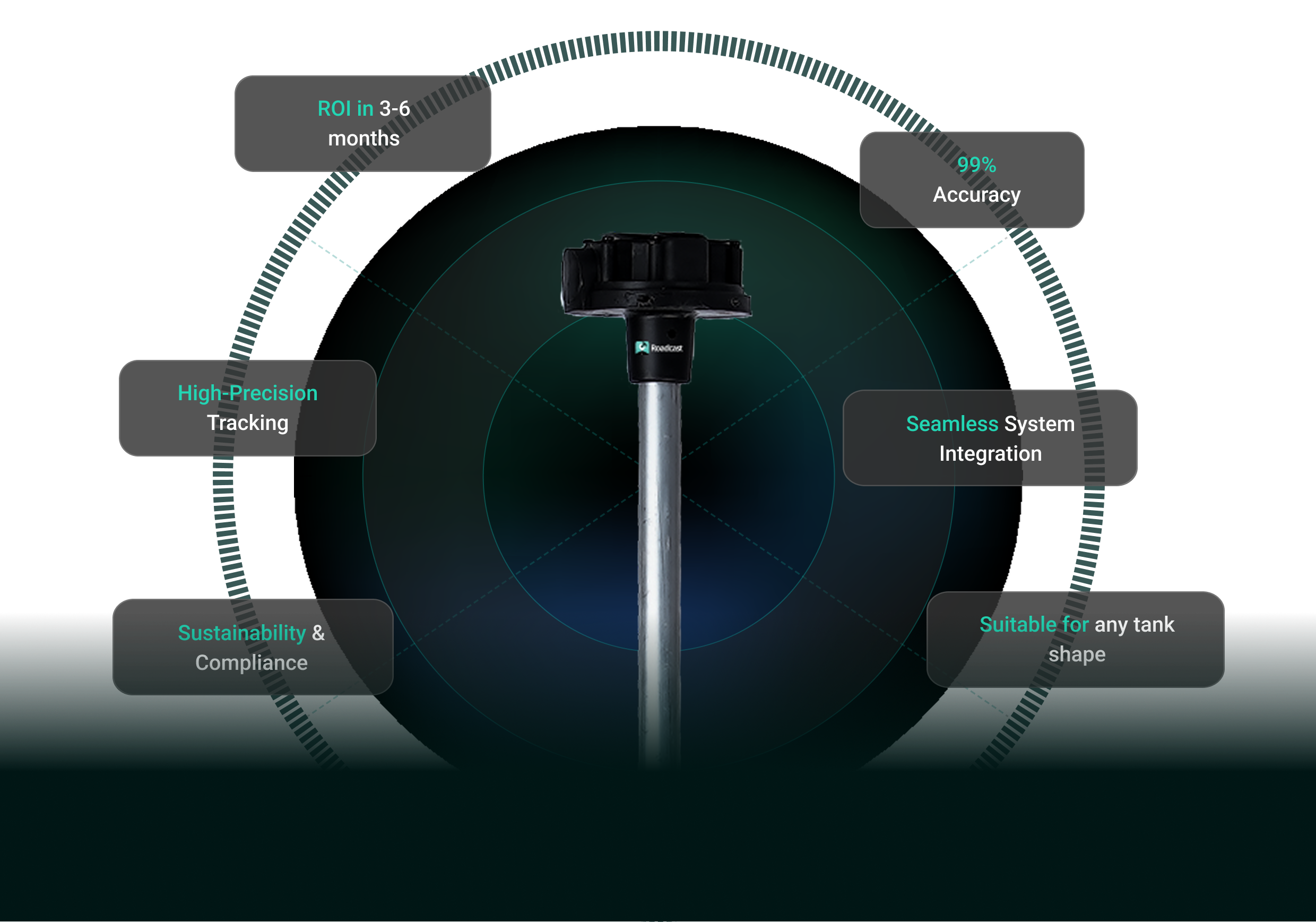
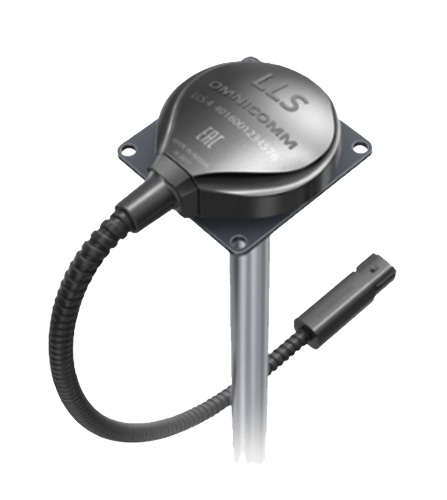
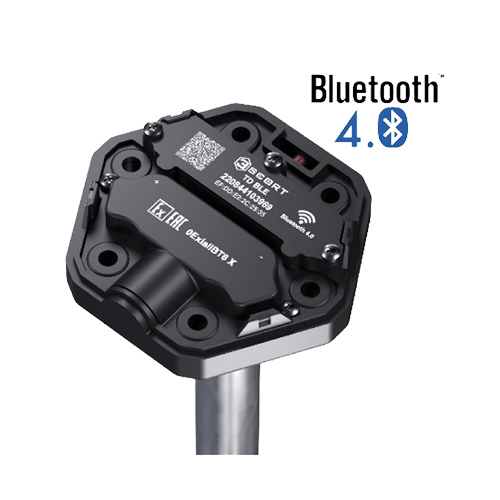
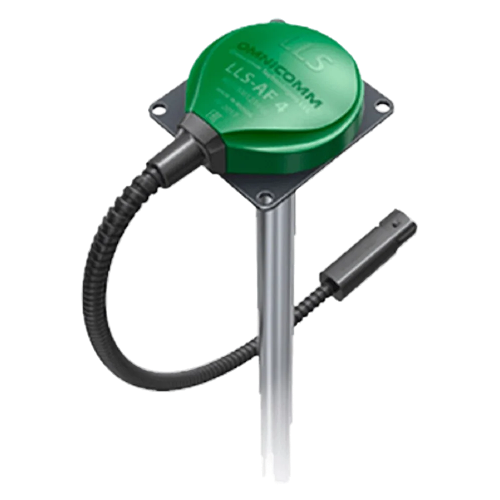
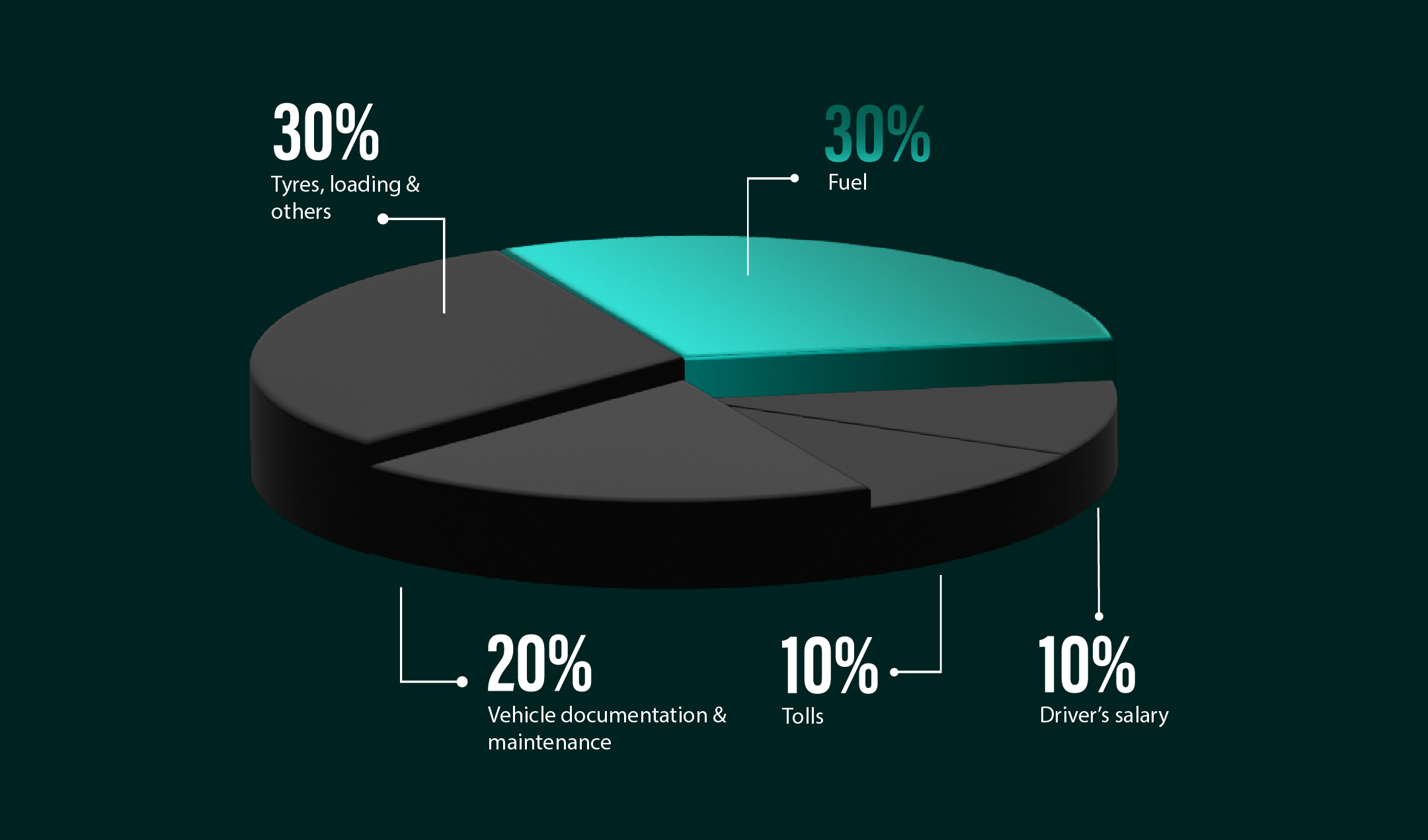
Fuel makes up 30% of trucking costs, directly influencing freight rates and profits. Sudden price shifts impact logistics, while 40% of fleet fuel is lost to theft, affecting bottom lines. A Fuel Level Sensor is the most effective solution to prevent theft. Integrated with vehicle telematics, it tracks fuel usage, detects anomalies, and enables proactive measures to safeguard fuel and optimize costs.

Request Demo

Take Control with
Instant Fuel Alerts & Live Monitoring

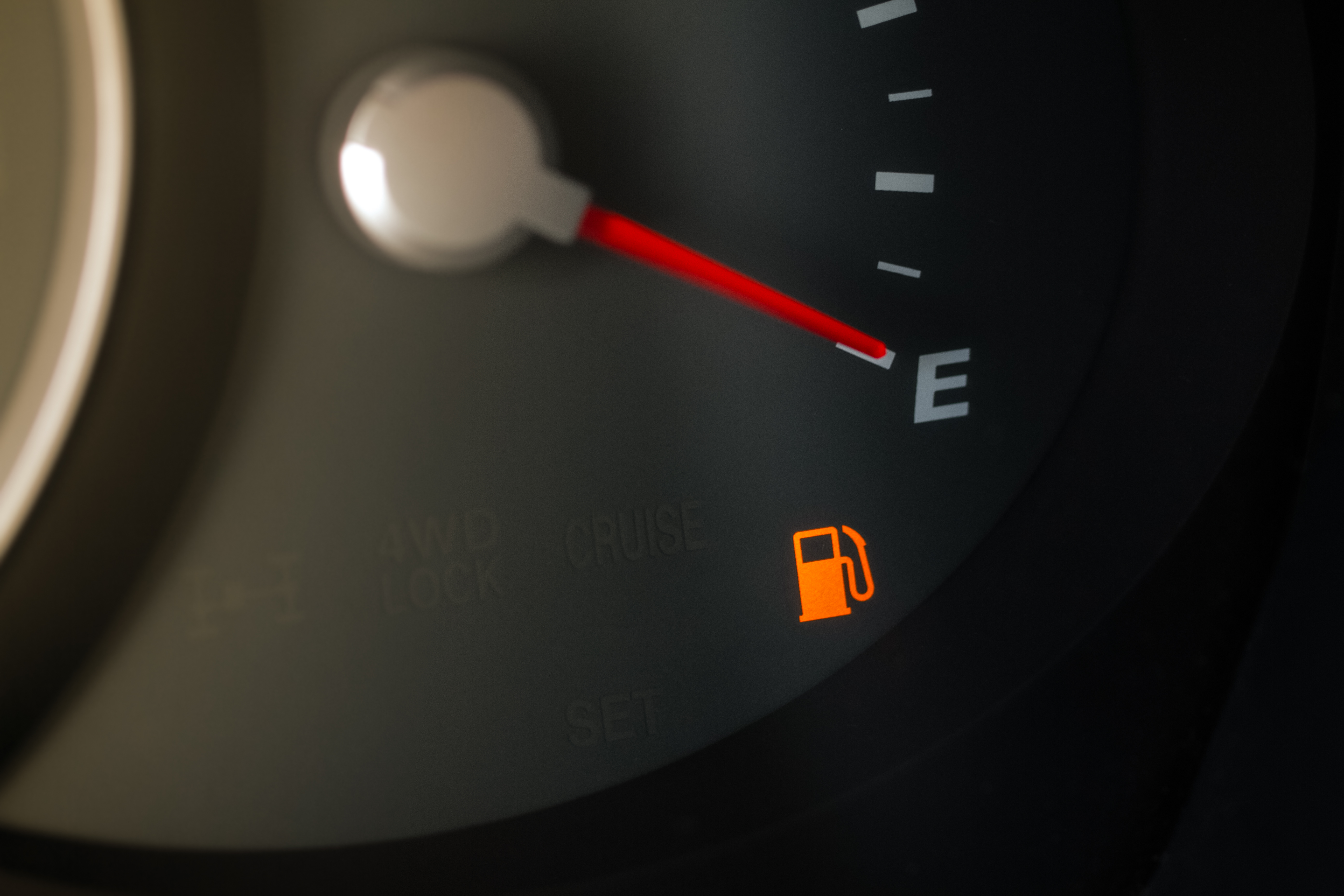
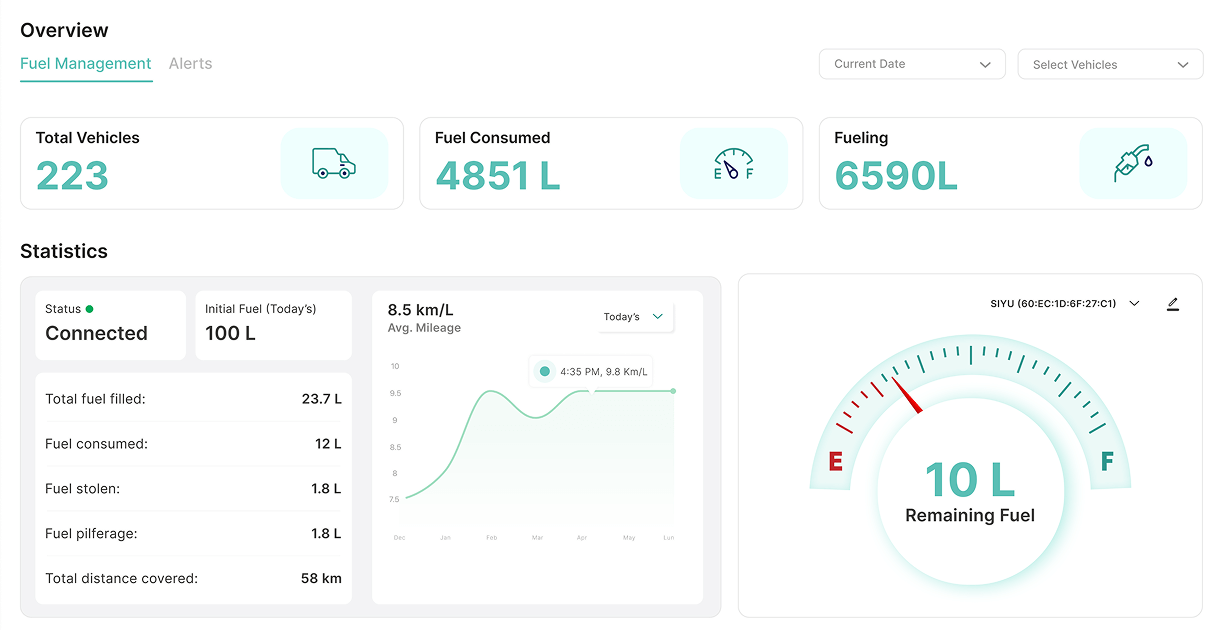
Track fuel levels in real time and receive instant alerts for theft, leaks, and unusual consumption, so you can act before losses add up!
Request Demo

Roadcast fuel sensor technology delivering live data on fuel levels, refills, and consumption patterns to help improve fleet efficiency

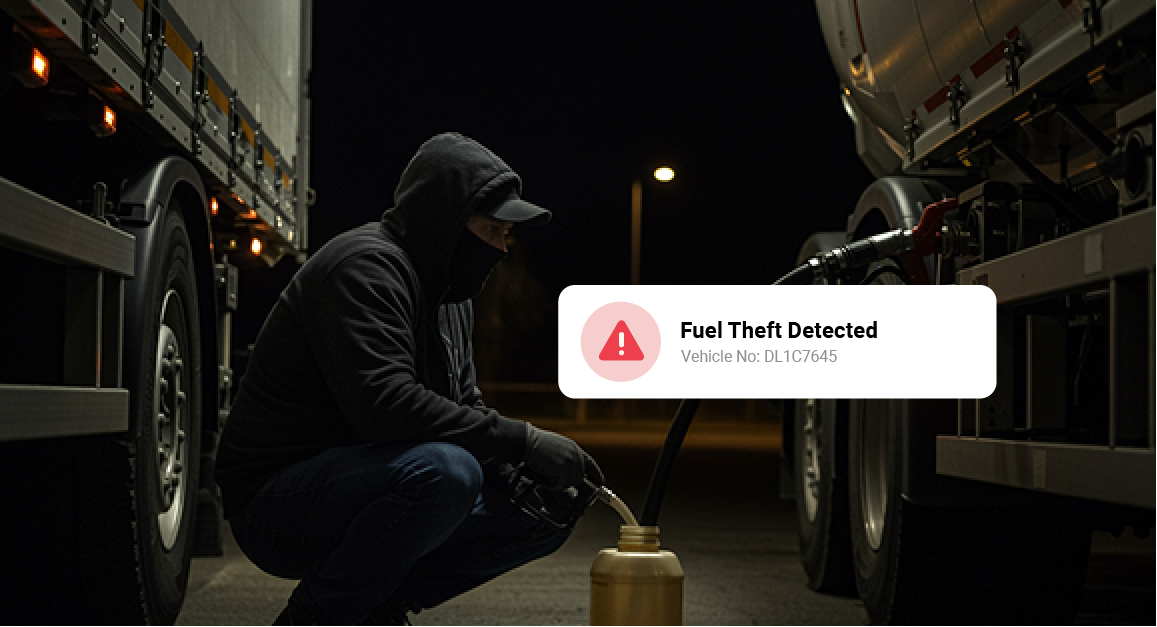
Theft Alert

Get notified the moment fuel is siphoned or stolen, with time-stamped location data for immediate action.

Real Time Fuel Insights

Receive real-time actionable insights detecting under-fueling through fuel sensors, which help to save costs.

Get a Sense of What You Can Achieve
With Fuel Monitoring Sensors

Better fuel management lowers operational expenses, enhances fleet efficiency, and improves profitability.

Request Demo

Roadcast fuel monitoring sensors providing real-time tracking and analytics, enabling fleets to reduce fuel wastage, improve operational efficiency, and enhance security across vehicles and equipment

Fuel Tracking for Better Efficiency

We monitor what matters the most with regards to your fuel.

Fuel Theft Prevention

Reduce fuel theft with sensors that detect and report discrepancies hence, discouraging theft.

Fuel Consumption Pattern

Monitor driver behavior to track fuel consumption, helping pinpoint inefficient or excessive usage.

Real Time Actionable Data

Receive real-time data to detect under-fueling or over-consumption to ensure optimization.

Fuel Fill-Up Accuracy

Track fuel fills ensuring accurate dispensing and preventing fraud or human error.

Maintenance Alerts

Identify vehicles that haven’t been serviced for a long time by data captured via fuel sensors.

Quick ROI On Fuel Sensors

Achieve a fast return on investment through savings from improved fuel efficiency and reduced waste.

Request Demo

Fuel Cost Analysis at
Your Fingertips!

See in real time, how you can save fuel costs

Your Fleet Size?

Current Fuel Price?

₹

Estimated Fuel Theft Per Day (Per Vehicle)

> Ltr.

Without Roadcast You are losing

₹0

Every Month

On an Average
Everyday you are losing
₹0

With Roadcast You can Save

₹0

Every Month

On an Average
Everyday you can save
₹0

Get Accurate Reports

Fuel Monitoring Reports:
Track, Optimize, and Save Every Drop!

By leveraging fuel monitoring reports, businesses can proactively control fuel expenses, enhance operational efficiency, and maximize cost savings

Request Demo

Fuel Consumption Report

Track fuel usage trends over time and identify areas to reduce costs.

Mileage Efficiency Report

Compare fuel consumed vs. distance traveled to optimize vehicle performance.

Refueling Summary

Monitor when, where, and how much fuel was refueled to prevent misuse.

Fuel Drain & Theft Report

Get time-stamped data on sudden drops to detect theft or leakage instantly.

Idling & Wastage Report

Analyze engine idling time to cut down on unnecessary fuel burn and emissions.

Driver Efficiency Report 

Evaluate driving behavior that impacts fuel consumption and optimize training.

Request Demo

Fuel Monitoring For
Fleets of All Sizes - Large or small

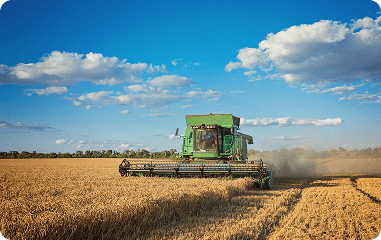
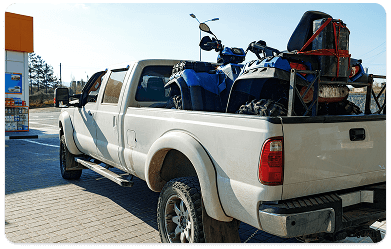
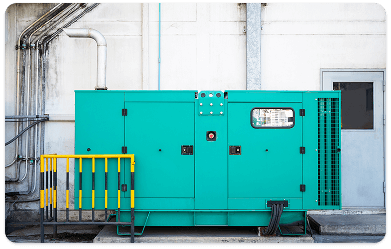
From fleets to heavy machinery, our fuel monitoring system ensures accurate tracking and efficiency across all vehicle types.

Request Demo

Frequently Asked Questions

A fuel monitoring system detects theft by measuring fuel level continuously and flagging sudden drops that do not match vehicle activity. A fuel level sensor in the tank sends readings to the GPS tracker, which passes them to a cloud platform. The software compares fuel level with location, ignition status and movement. A sharp drop while the vehicle is parked triggers an instant theft alert, and every refuelling event is logged with time and place.
Fuel is often the largest running cost for Indian fleets, and a meaningful share is lost to siphoning, bill manipulation, harsh driving, excessive idling and inefficient routes. Exact losses vary by fleet, vehicle type and route, so measuring consumption is the first step. A digital fuel monitoring system combines tank sensors, GPS and driver behaviour data from our fleet management platform to compare expected and actual consumption, showing exactly where fuel is lost and where to act.
For fleets with fuel theft or heavy idling, fuel monitoring sensors can often pay for themselves within months, because fuel is the biggest running cost and savings begin once leakage is detected. Payback depends on fleet size, fuel spend, sensor cost and the current loss level. Roadcast's FourCast Fleet ROI calculator estimates it for you: enter vehicle details, fuel type, consumption and telematics data to see how many months it takes to recover your investment.
Any vehicle that runs on diesel or petrol can use a fuel monitoring system. This includes trucks, buses, taxis, delivery vans and light commercial vehicles, as well as construction equipment such as excavators and cranes, tractors and generator sets. Long-haul trucks typically use high-capacity sensors for large diesel tanks, while off-road machines need ruggedised sensors for rough terrain. Electric vehicles do not use fuel sensors and need battery monitoring instead (check our EV fleet tracking guide).
Yes, fuel monitoring can detect short-filling at petrol pumps, within the accuracy of the sensor. Capacitive or ultrasonic tank sensors record the actual rise in fuel volume during refuelling, and the software compares it with the quantity billed. A gap flags possible short-filling. In-tank sensors typically have an accuracy tolerance of 1-2%, so small differences may be noise while larger gaps deserve investigation. Cross-checking with fuel card or transaction data improves reliability.